November 24, 2026 · Power Construction
Composite vs. Wood Decking: Which Is Better for a New Jersey Deck?
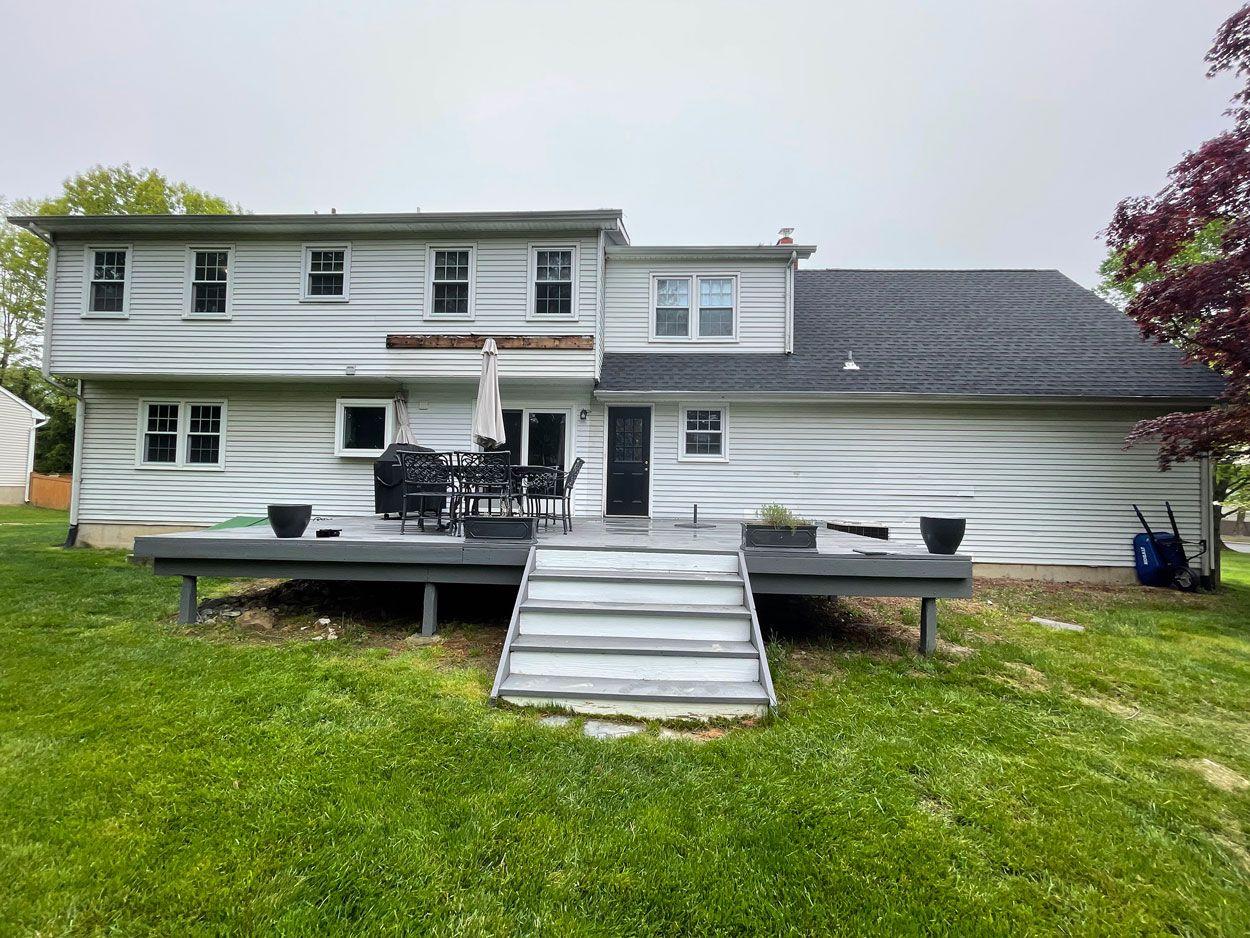
The boards you walk on decide how your deck looks in ten years and how many weekends you spend maintaining it. This guide compares composite and wood decking for New Jersey homes: cost, upkeep, lifespan, and how each one handles our weather.
Short answer: for most New Jersey homeowners, capped composite decking is the better long-term choice because it never needs staining, does not splinter, and handles freeze-thaw winters well, while pressure-treated wood costs less up front. Power Construction Inc. in Lawrence Township, NJ builds both and can price them side by side.
How does New Jersey weather affect a deck?
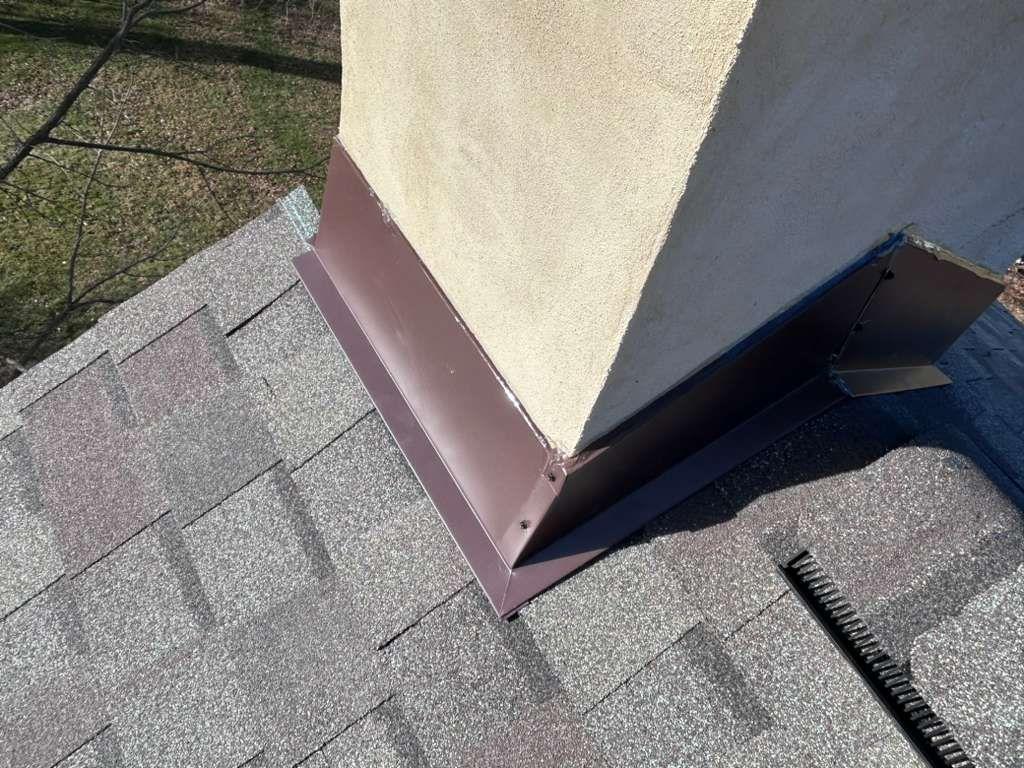
Moisture is what wears a deck out. Humid summers, heavy rain, and winters that freeze and thaw over and over push water into wood fibers, and every cycle opens small cracks a little wider. Unprotected wood grays, checks, and eventually rots, while capped composite has a plastic shell that keeps water out of the board. Whatever you choose, the frame underneath is usually pressure-treated lumber, so the hidden details still matter: footings below the frost line and a properly flashed ledger where the deck meets the house.
How do composite and wood decking compare?
Each material wins on something different. This is how the common choices usually stack up:
| Pressure-treated wood | Cedar | Capped composite | |
|---|---|---|---|
| Upfront cost | Lowest | Higher than pressure-treated | Highest |
| Routine upkeep | Clean, then stain or seal every couple of seasons | Same finishing schedule as pressure-treated | Wash with soap and water; no staining |
| Splinters and cracking | Can split and splinter as it dries | Less prone, but still wood | Does not splinter |
| Fading | Grays without a finish | Grays without a finish | Cap resists fading and stains |
| Feel in summer sun | Stays cooler | Stays cooler | Can get warmer, especially dark colors |
| Can it be refinished? | Yes, sand and restain | Yes, sand and restain | No, the cap is the finish |
When does wood decking make more sense?
Wood is still a good choice in the right situation. It usually fits best when:
- Budget is the main limit: pressure-treated lumber is the most affordable way to build a deck.
- You like a natural look: cedar and redwood have a grain and warmth that some homeowners prefer, with natural resistance to rot and insects.
- You do not mind maintenance: a well-built pressure-treated deck can last around twenty years if it is stained or sealed every couple of seasons.
- You may change colors later: wood can be sanded and restained, while a composite color is the color for the life of the board.
When is composite decking worth the extra cost?
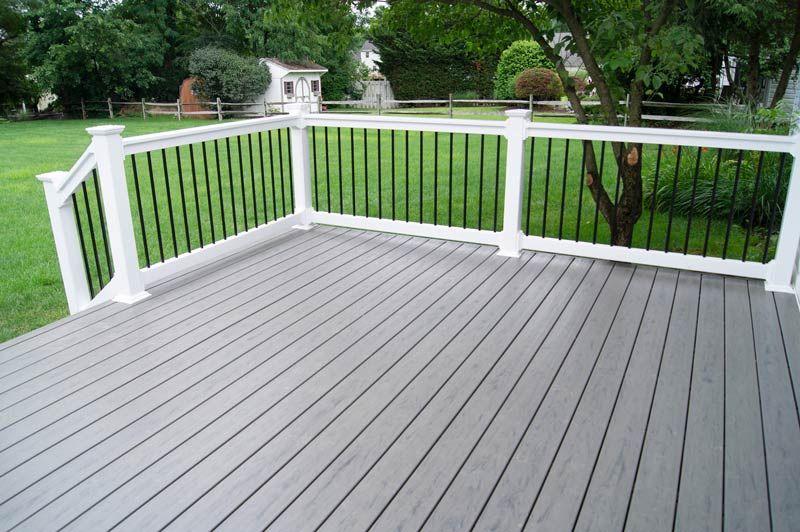
Composite pays off when you plan to stay in the home and would rather spend weekends on the deck than working on it. Capped boards such as TimberTech are made from recycled plastics and wood fiber with a protective shell, so they do not splinter, rot, or need staining, and they carry long manufacturer warranties against fading and stains. You pay more on day one and much less in stain, sealer, and replacement boards over the years. If you want to know more about the product lines, see our post on TimberTech deck boards.
How do you choose the right decking for your home?
A few questions narrow it down quickly:
- How long will you stay? The longer you plan to own the home, the more composite's low upkeep is worth.
- How much sun does the deck get? A fully exposed deck may call for a lighter composite color or some shade.
- Is the existing frame sound? New boards on a failing frame waste money, so have the joists, ledger, and footings checked first.
- What does the yard need? Sloped lots often suit a stepped design, which we covered in our guide to multi-level decks for sloped backyards.
Power Construction Inc.: wood and composite decks for central New Jersey
Power Construction Inc. is a family-operated, licensed, and insured contractor based in Lawrence Township, NJ, with more than 23 years of experience serving homeowners across New Jersey and Pennsylvania. The team builds pressure-treated, cedar, and TimberTech composite decks, files the permit, and sets footings to code before the framing goes up. See our Power Construction custom deck services, or the work we do for homeowners in Lawrenceville, Princeton, and Hopewell Township.
Frequently asked questions about composite and wood decking
Is composite decking better than wood for a deck in New Jersey?
For most homeowners, yes. Capped composite stands up to humid summers and freeze-thaw winters without staining or sealing, while wood needs regular finishing to keep moisture out. Wood still makes sense when the lowest upfront price matters most.
Does composite decking cost more than pressure-treated wood?
Yes, composite boards cost more up front than pressure-treated lumber. Because composite never needs stain, sealer, or board replacement from rot, the gap narrows over the life of the deck, and many owners find it the cheaper choice in the long run.
How long does a pressure-treated wood deck last?
A well-built pressure-treated deck can last around twenty years if it is cleaned and stained or sealed every couple of seasons. Skipping that upkeep lets water into the boards, which leads to cracking, splintering, and rot much sooner.
Does composite decking get hot in the sun?
It can. Composite boards, especially darker colors, usually get warmer than wood in direct summer sun. Choosing a lighter color or adding shade from a pergola or covered section helps on a south- or west-facing deck.
Can I put composite boards on my existing deck frame?
Sometimes. If the joists, ledger, and footings are sound and the joist spacing suits the composite board, new decking can go on the old frame. If the framing is rotted or the ledger was never flashed, rebuilding the frame first is the safer choice.
Does Power Construction Inc. build composite and wood decks?
Yes. Power Construction Inc. builds pressure-treated, cedar, and TimberTech composite decks, plus fiberglass deck systems, for homeowners in Lawrence Township, Princeton, Hopewell, and surrounding New Jersey and Pennsylvania communities. Call (609) 393-3039 for a free estimate.
To sum up: pressure-treated wood costs the least to build and needs regular staining, while capped composite costs more up front and saves years of upkeep, which makes it the better long-term value for most New Jersey decks. If you are weighing the two, Power Construction Inc. will look at your yard and price both options. Call (609) 393-3039 or request a free estimate below.