November 10, 2026 · Power Construction
How to Tell When Your Siding Needs Replacing (and What to Ask a Siding Company Before You Hire)
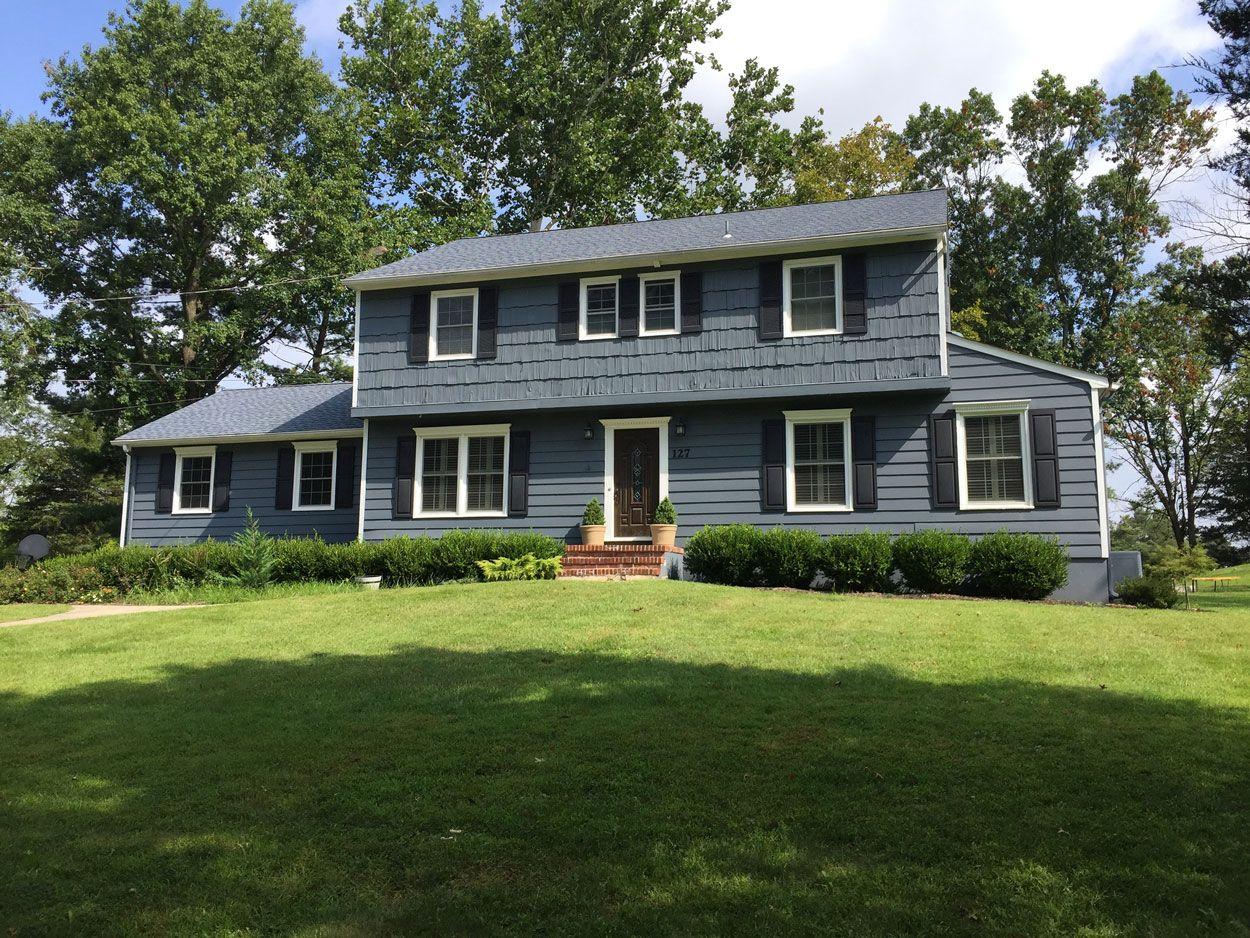
Siding does a quiet job. It keeps water, wind, and temperature swings away from the structure of your home, and most people only think about it when something looks wrong. By then, the problem is often bigger than the panel you can see. This guide covers how to tell when siding has reached the end of its useful life and what to ask a siding company before you sign anything.
Short answer: siding usually needs replacing when damage is widespread rather than isolated: warped or cracked panels on several walls, soft or rotted spots, recurring mold, or gaps that let water into the wall. Power Construction Inc. in Lawrence Township, NJ can inspect your siding and tell you whether a repair is enough.
Why does New Jersey weather wear out siding?
Siding on a New Jersey home deals with humid summers, cold winters, driving rain, and constant expansion and contraction as temperatures change. Over the years, that cycle loosens fasteners, opens small gaps at seams, and lets moisture reach the wall behind the panels. Because the damage often starts out of sight, a regular look at your siding is worth the few minutes it takes.
What are the seven signs it is time to replace your siding?
One cracked panel is usually a repair. A pattern of problems usually is not. Watch for these:
- Cracked, warped, or buckled panels: damage spread across several walls points to material that is failing, not a one-time accident.
- Fading or chalky residue: heavy color loss and a powdery surface suggest the finish is breaking down.
- Peeling paint or bubbling: moisture trapped behind siding often shows up as blistering on the surface.
- Soft spots or rot: press gently on lower sections and trim, and soft wood is a sign of water damage underneath.
- Mold or mildew: recurring growth on walls can mean moisture is not draining the way it should.
- Gaps, loose panels, or visible holes: these let water and pests into the wall cavity.
- Rising energy bills or drafts: siding that no longer seals well can contribute to a home that is harder to keep comfortable.
If you recognize three or four of these, schedule an inspection rather than waiting for the next storm to make the decision for you.
Should you repair or replace damaged siding?
The condition of the wall behind the siding decides it. This is how the common cases usually break down:
| What you see | What it usually means | Usual next step |
|---|---|---|
| One or two cracked or loose panels, dry wall behind | Isolated damage, such as an impact or a wind-lifted section | Repair the section with matching panels |
| Dingy or dirty siding that is otherwise sound | Surface dirt, not a failing material | Careful low-pressure wash |
| Cracked or warped panels on several walls | The material itself is wearing out | Replace the siding |
| Soft spots, rot, or recurring mold | Moisture has reached the sheathing or trim | Replace the siding and repair the wall underneath |
Power Construction Inc. carries matching profiles for most common vinyl lines, so a true repair can be nearly invisible. Our siding installation and repair services start with an honest look at which of these cases you have.
What does a siding installation actually involve?
A proper siding project is more than hanging new panels. The sequence generally looks like this:
- Inspection and estimate: the contractor checks the siding, trim, and any visible moisture damage, then provides a written estimate.
- Material selection: you choose a siding product and color that fit your home and budget.
- Removal and wall check: old siding comes off, and the sheathing underneath is inspected and repaired if needed.
- Weather barrier and flashing: house wrap and flashing are installed around windows, doors, and corners to direct water away from the wall.
- Siding installation and cleanup: new siding and trim go on, followed by a full cleanup and final walkthrough.
Choosing between vinyl, fiber cement, and other options is a separate decision, and we compared those materials in our siding materials comparison. If you also want to know how a new exterior can affect comfort, see how siding affects energy efficiency.
What should you ask a siding company before hiring?
A few direct questions tell you a lot about how a contractor works:
- Are you licensed and insured in New Jersey? Ask for proof, not just a yes.
- What happens to the wall under the old siding? A good answer includes checking for moisture damage and installing a weather barrier.
- Is the estimate in writing and itemized? It should list materials, scope, and total cost.
- What warranties apply? Ask about both the manufacturer warranty on the product and the contractor workmanship.
- Can I see recent local work or reviews? Homes in nearby towns are the best proof of how the siding holds up in our climate.
Power Construction Inc.: siding for Lawrence Township, Princeton, and nearby towns
Power Construction Inc. is a family-operated, licensed, and insured contractor based in Lawrence Township, NJ, with more than 23 years of experience serving homeowners across New Jersey and Pennsylvania. The company installs siding using materials from James Hardie and CertainTeed, and can pair a siding project with roofing, gutter installation, or windows so your exterior is handled in one coordinated job. Homeowners in Princeton, Ewing, Pennington, and surrounding communities can call (609) 393-3039 for a free estimate.
Frequently asked questions about siding replacement
How do I know when my siding needs to be replaced?
Siding usually needs replacing when damage is widespread, such as warped or cracked panels on multiple walls, soft spots, recurring mold, or gaps that let water in. A professional inspection confirms whether a repair is enough.
Can damaged siding be repaired instead of replaced?
Yes, when the damage is limited to a few panels and the wall underneath is dry and sound. If moisture has reached the sheathing or the problem keeps spreading, replacement is typically the better long-term value.
What should I look for in a siding company in New Jersey?
Look for a licensed and insured contractor who provides an itemized written estimate, explains how they handle the weather barrier and flashing, and can show recent local work. Power Construction Inc. offers free estimates on siding projects.
How long does a siding replacement take?
Most single-family homes take five to ten working days, depending on the size of the house, how much rotted sheathing is found underneath, and whether soffit, fascia and gutters are being replaced at the same time. Weather can add a day or two.
Does new siding help with energy bills?
It can. Siding itself is not insulation, but a replacement is the chance to add rigid foam insulation board under it, which adds R-value across the wall and seals gaps that let air through. Insulated vinyl siding builds that layer in.
Does Power Construction Inc. install siding in New Jersey?
Yes. Power Construction Inc. installs siding for homeowners in Lawrence Township, Princeton, West Windsor, Hillsborough Township, and surrounding communities, and is a licensed and insured contractor (NJ license 13VH07012600).
To sum up: widespread cracking, soft spots, recurring mold, or gaps are the signs that siding needs replacing, while a few damaged panels on a dry wall can usually be repaired. If your siding is showing its age, Power Construction Inc. can look at it, explain what you are dealing with, and give you a clear written estimate. Call (609) 393-3039 or request a free estimate below.