August 6, 2026 · Power Construction
Evaluating Your Roof After New Jersey Summer Storms
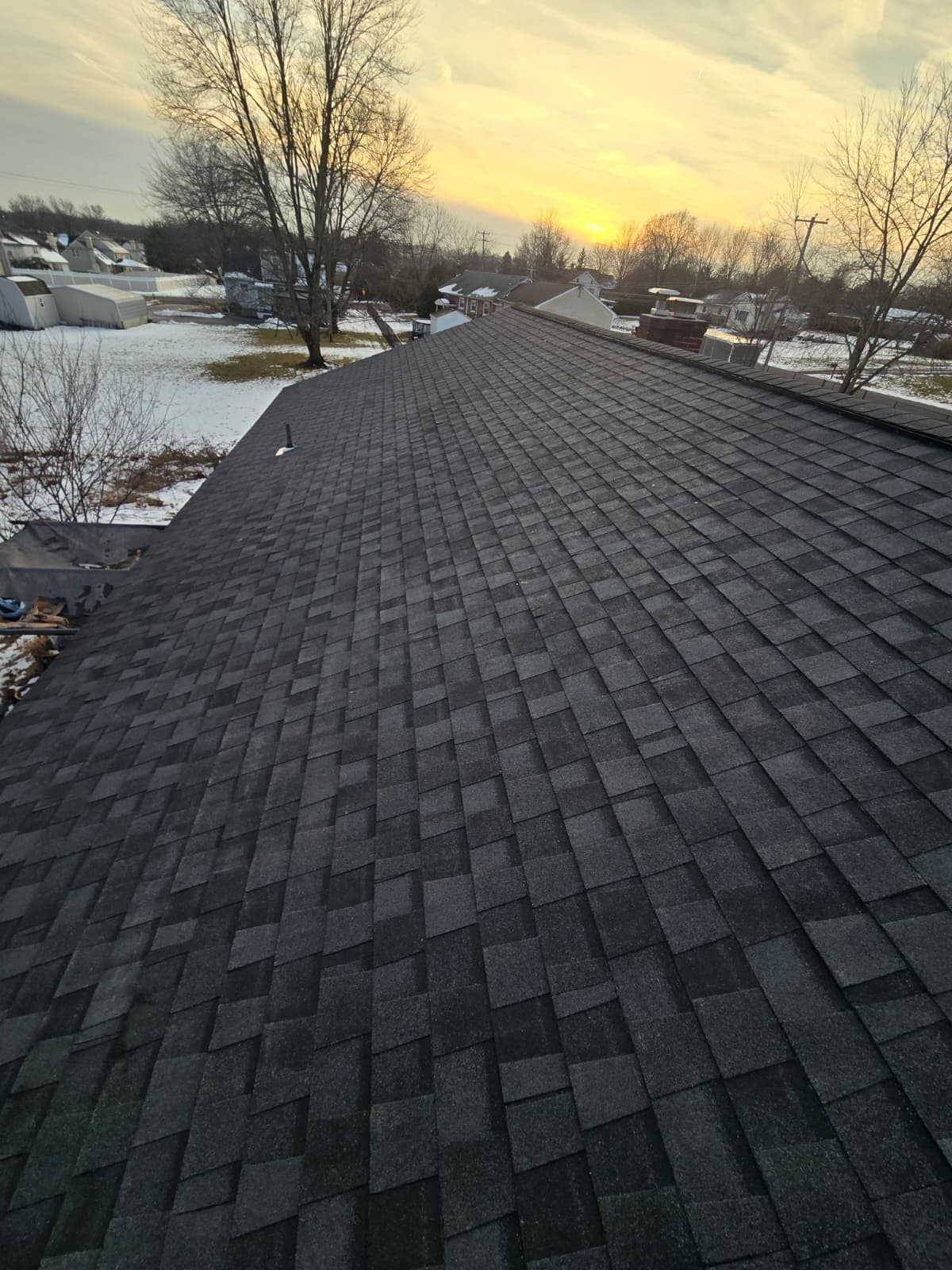
Summer storms in New Jersey can be unpredictable. Heavy rain, strong winds, hail, and falling tree limbs all have the potential to damage your roof—even if the damage isn't immediately visible from the ground. That's why homeowners should inspect their roofs after severe weather and schedule a professional evaluation if they notice any signs of trouble.
As an experienced roofing contractor, Power Construction helps homeowners throughout New Jersey identify storm damage early, preventing small issues from becoming costly repairs. Knowing what to look for after a storm can help protect your home and extend the life of your roof.
Why Summer Storms Can Damage Your Roof
Unlike winter weather, summer storms often bring intense wind gusts and heavy rainfall in a short period of time. These conditions can loosen roofing materials, expose vulnerable areas, and allow moisture to enter your home.
Even if your roof doesn't appear damaged from the street, high winds can lift shingles, hail can weaken roofing materials, and debris can compromise flashing or gutters. Damage that's left untreated may eventually lead to leaks, mold growth, wood rot, or structural deterioration.
1. Missing or Damaged Shingles
One of the first things to check after a storm is whether any shingles are missing, cracked, curled, or lifted. Signs include:
- Bare spots on your roof
- Shingles lying in your yard
- Corners of shingles lifting upward
- Cracked or torn shingles
Even a single missing shingle can expose the underlayment to water, increasing the risk of leaks during the next rainfall.
2. Granules in Your Gutters
If you have asphalt shingles, check your gutters and downspouts for excessive granules. Roofing granules protect shingles from UV rays and weather exposure. A large amount of granule loss after a storm may indicate that your roof has sustained impact damage or is nearing the end of its lifespan. If your gutters are filled with granules, it's a good idea to have a professional inspect the roof.
3. Water Stains Inside Your Home
Storm damage isn't always visible from the outside. Inside your home, look for:
- Water stains on ceilings
- Damp spots in the attic
- Peeling paint
- Bubbling drywall
- Mold or mildew odors
These symptoms often indicate water infiltration that originated from roof damage. Prompt roof repair can prevent moisture from causing more extensive interior damage.
4. Damaged Flashing
Roof flashing seals vulnerable areas around chimneys, skylights, vents, and roof valleys. Strong winds or falling debris can bend or loosen flashing, creating openings where water can penetrate. Inspect these areas from the ground if possible, or have a professional roofing contractor perform a detailed inspection to ensure all flashing remains secure.
5. Gutter and Downspout Damage
Your gutters play an important role in directing water away from your home's foundation. After a summer storm, look for:
- Sagging gutters
- Detached sections
- Bent downspouts
- Overflowing gutters
- Debris buildup
Damaged gutters can allow water to pool around your home or back up onto the roof, increasing the risk of leaks and wood rot.
6. Tree Limb Impact
Even small branches can damage roofing materials during high winds. Inspect your property for:
- Fresh dents or punctures
- Broken shingles
- Damaged fascia
- Fallen branches resting on the roof
If a large branch struck your home, it's important to schedule a professional inspection even if no immediate damage is visible.
7. Check Your Attic
Your attic can provide early clues that storm damage has occurred. Look for:
- Daylight shining through the roof deck
- Wet insulation
- Water dripping after rainfall
- Damp wood framing
These warning signs often indicate that water has found its way beneath the roofing system.
When Roof Repair Is Enough
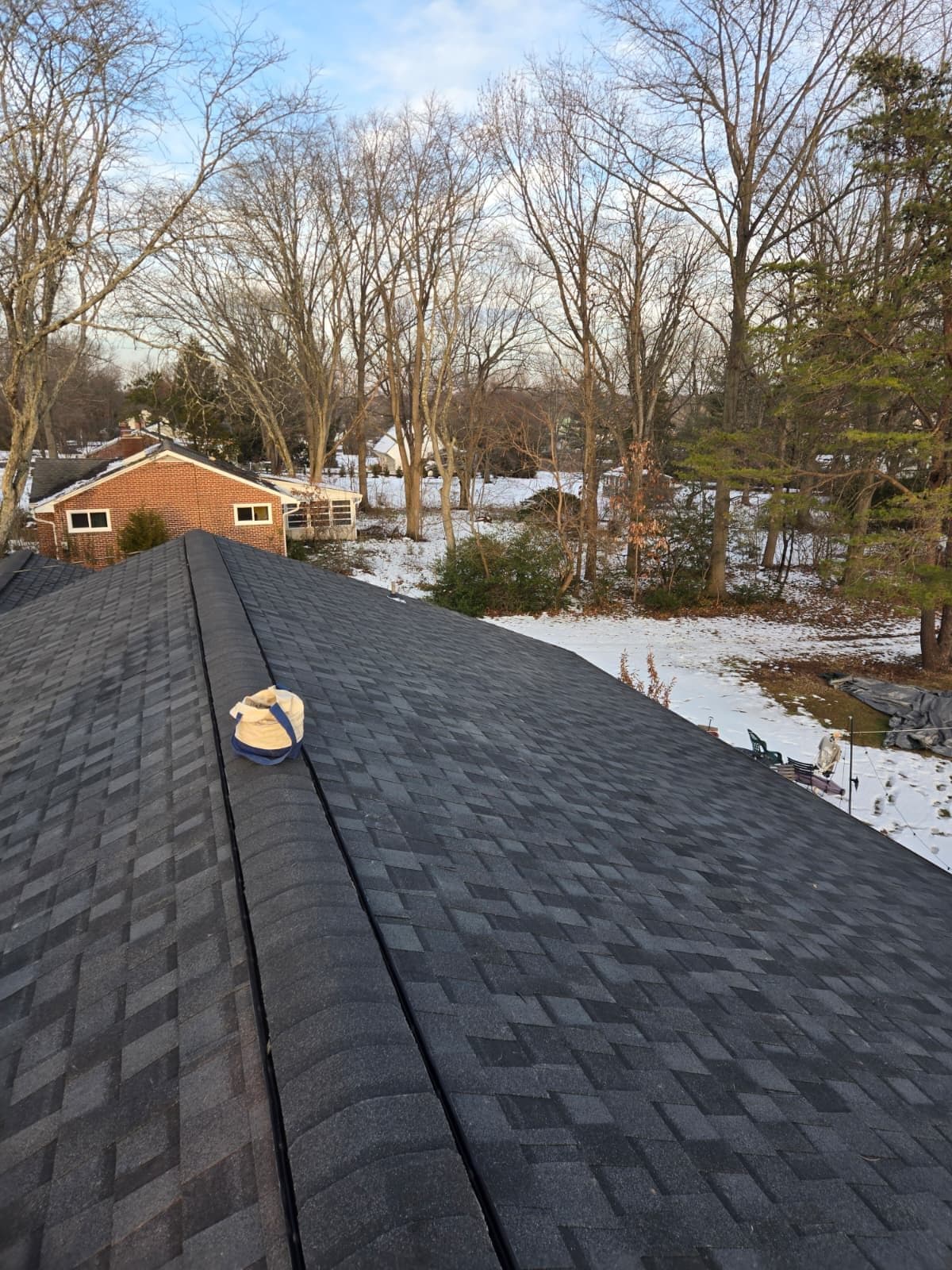
Not every storm requires a new roof. Minor issues such as replacing a few shingles, repairing flashing, or sealing small leaks can often restore your roof's integrity. A trusted roofing contractor will recommend repairs when they're the most practical and cost-effective solution.
When Roof Replacement Makes More Sense
In some cases, storm damage is extensive enough that a full roof replacement provides better long-term value. Replacement may be recommended if:
- Large portions of the roof are damaged
- Multiple leaks have developed
- The roof is already near the end of its expected lifespan
- Structural damage is present beneath the roofing materials
A professional inspection can help determine whether repairs or replacement will provide the best protection for your home.
Why Professional Roofing Services Matter
Climbing onto a roof after a storm can be dangerous. Hidden damage is also easy to miss without experience. Professional roofing services include a thorough inspection of:
- Shingles
- Flashing
- Roof decking
- Ventilation components
- Gutters
- Drainage systems
An experienced roofing contractor can identify issues that homeowners may overlook and provide recommendations before small problems become expensive repairs.
Protect Your Home After Every Storm
Summer storms are unavoidable, but costly roof damage doesn't have to be. If your home has experienced heavy rain, hail, or strong winds, scheduling a professional roof inspection can help identify damage early and prevent more extensive repairs later.
At Power Construction, our family-owned team provides dependable roofing services, roof repairs, and roof replacements for homeowners throughout New Jersey. We believe in honest recommendations, quality craftsmanship, and efficient project completion so you can have confidence your home is protected through every season.
Need your roof evaluated after a summer storm? Contact us online or call us at (609) 393-3039 today to schedule a professional inspection and receive expert guidance from an experienced roofing contractor.