Siding Materials Comparison: Choosing the Right Option for Your Home
Most homeowners don’t think much about siding until something forces the issue. Maybe panels are cracking. Maybe paint won’t hold anymore. Or maybe the house just looks tired, no matter what you do to the landscaping. That’s usually when the questions start—and they tend to start fast.
- What siding lasts the longest?
- What’s low maintenance?
- What’s worth the money?
At Power Construction, we’ve had these conversations with homeowners planning exterior renovations who want clarity before committing to a major decision. A proper siding materials comparison helps answer those questions, but only if it goes beyond surface-level pros and cons. Siding isn’t just about how a house looks today. It’s about how it holds up to weather, how often it needs attention, and how forgiving it is when life happens.
When an exterior renovation is done right, siding becomes something you don’t think about much afterward. When it’s done wrong, it’s something you notice every season.
Why Siding Choices Have Long-Term Consequences
Siding takes more abuse than almost any other part of a home. Sun exposure, wind, rain, temperature swings—sometimes all in the same week—wear on materials slowly but constantly. When siding performs well, it fades into the background. When it doesn’t, the signs tend to creep in. Warping here. Fading there. A soft spot that wasn’t there before.
That’s why choosing siding based only on appearance or price can backfire. Materials age differently. Some hide wears well. Others don’t. Some forgive minor installation errors. Others expose them years later. Understanding those differences upfront is what prevents regret down the road.
Vinyl Siding: Simple, Affordable, and Not Perfect
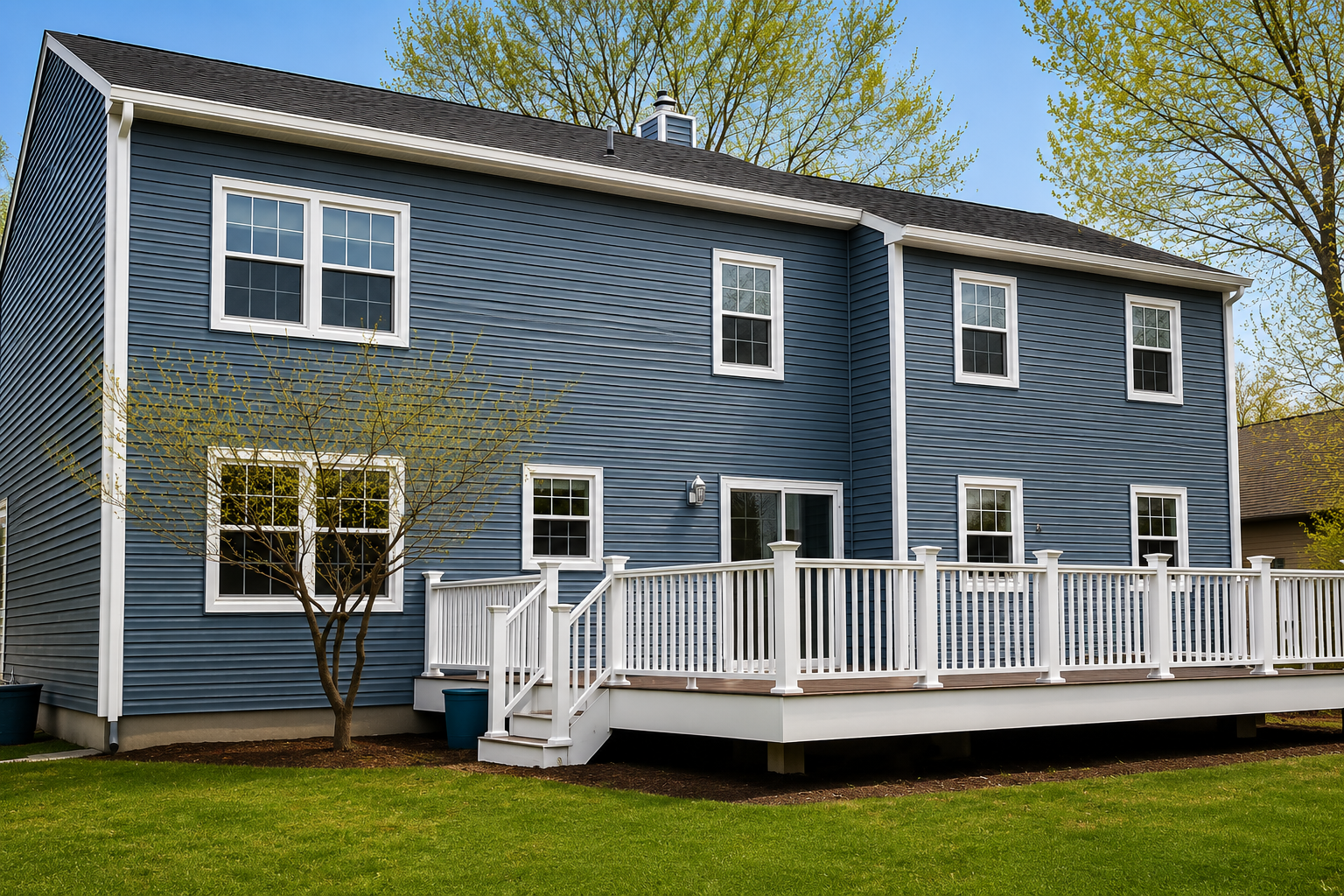
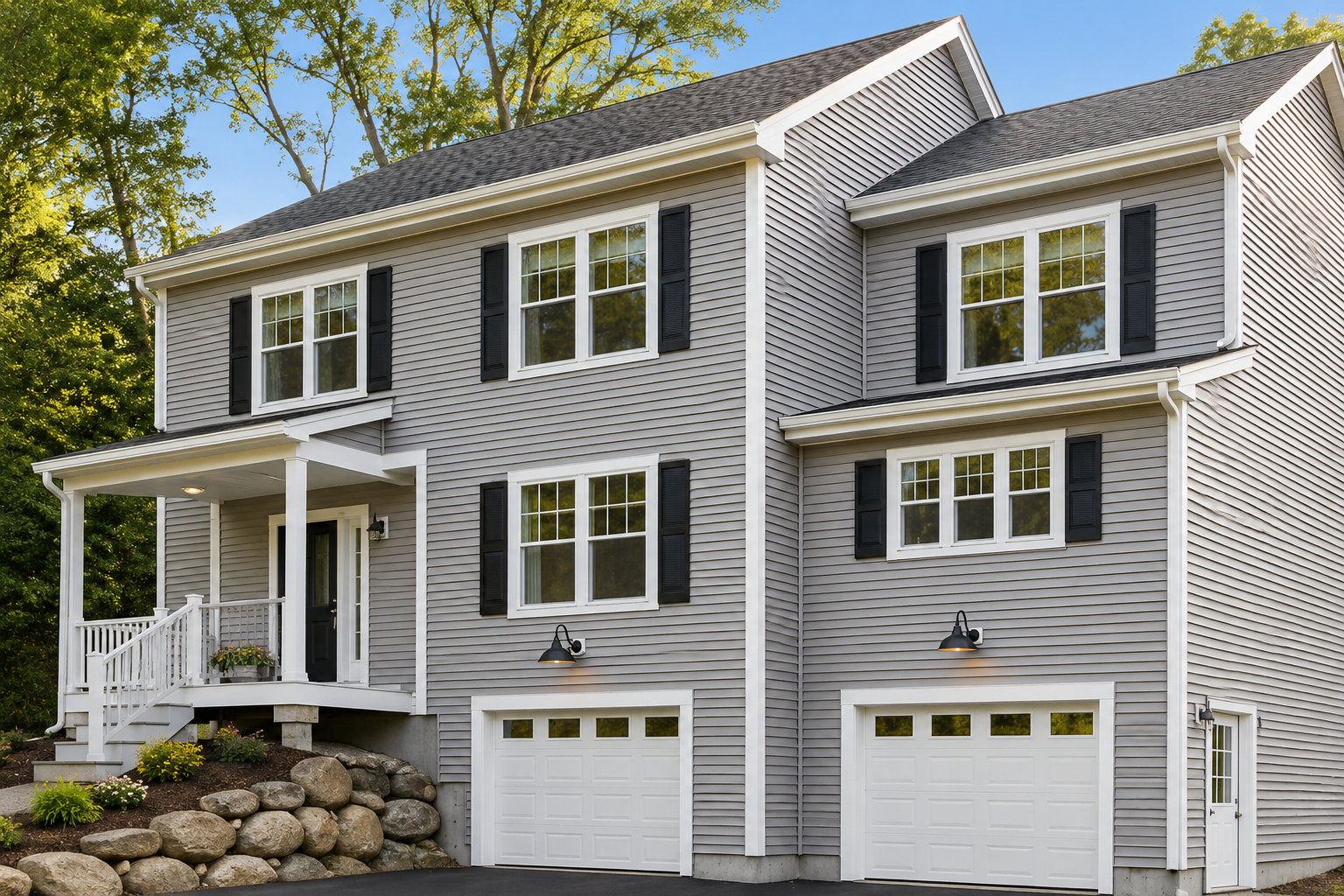
Vinyl siding is popular for a reason. It’s relatively affordable, doesn’t need painting, and holds up reasonably well with minimal maintenance. For many homeowners, that combination checks the right boxes. Modern vinyl looks better than it used to. Textures are more realistic. Color options are broader. When installed correctly, it can provide a clean, consistent exterior for years.
But vinyl has limits. Extreme heat can cause warping. Cold snaps can make panels brittle. And because it’s lightweight, poor installation shows up quickly when the wind becomes a factor. Vinyl isn’t a bad option—it just works best when expectations are realistic, and installation is done carefully.
Fiber Cement Siding: A More Substantial Feel
Fiber cement tends to appeal to homeowners who want something that feels more solid without jumping straight to premium materials. It resists moisture, insects, and fire, and it handles paint extremely well. From the street, fiber cement often reads as higher-end than vinyl. It fits a wide range of architectural styles and performs well in changing climates.
The tradeoff is complexity. Fiber cement is heavier and less forgiving during installation. Proper spacing, fastening, and flashing matter. When corners are cut, issues don’t always show up right away—but they do show up eventually.
This is one area where working with an experienced siding contractor really pays off.
Wood Siding: Beautiful, Demanding, and Honest
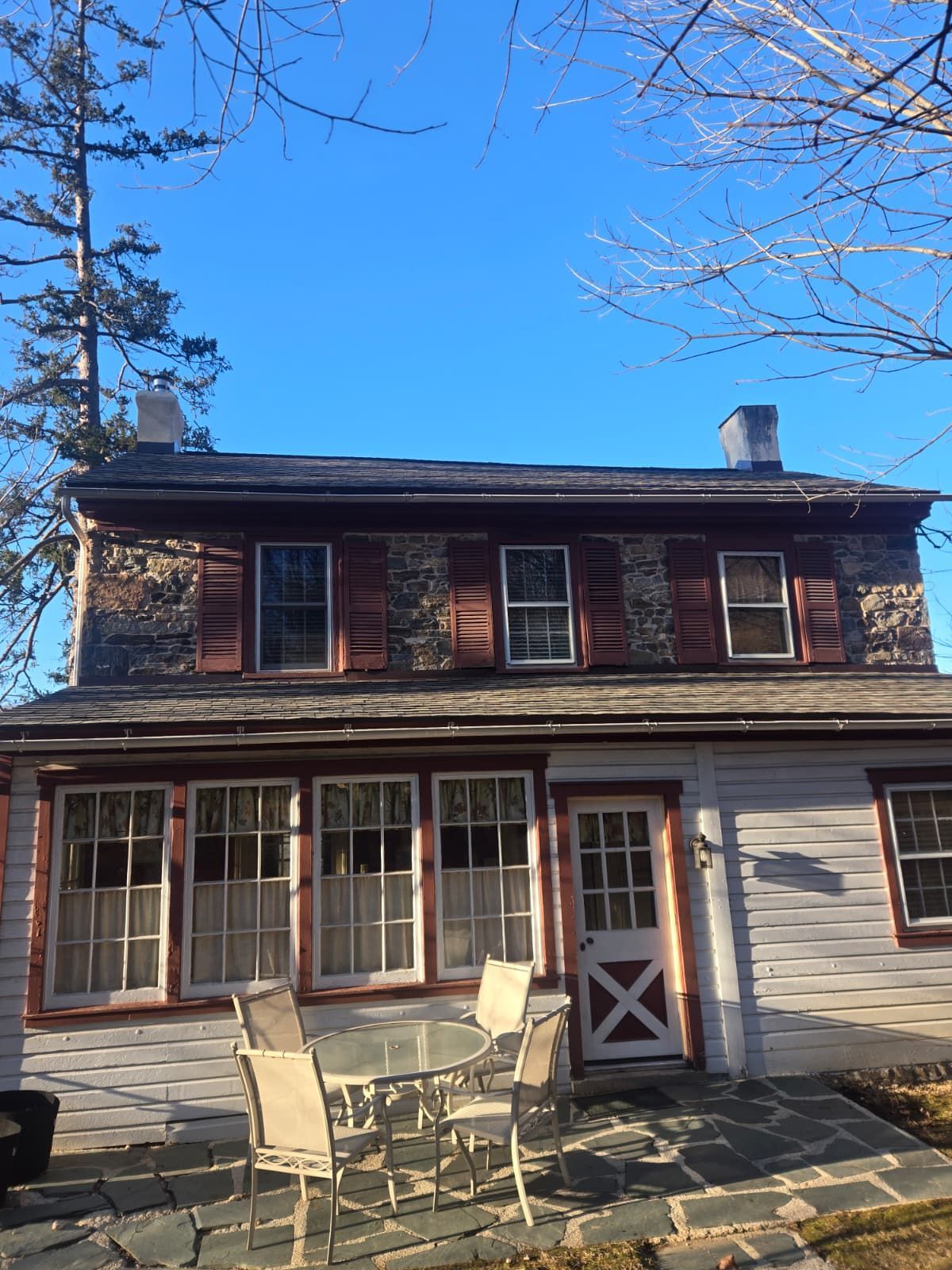
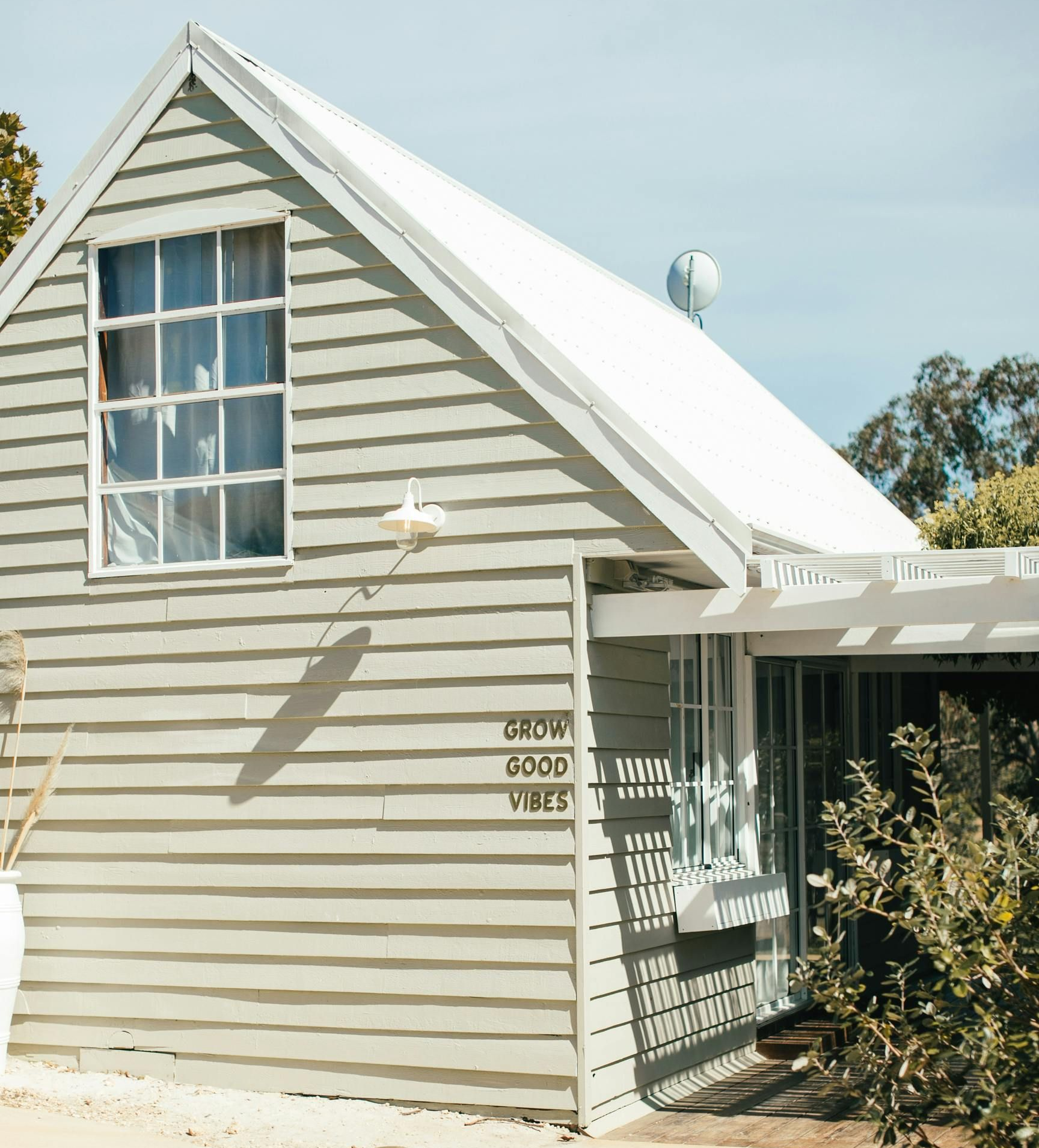
Wood siding has a look that manufactured materials still struggle to replicate. Cedar, in particular, brings warmth and texture that many homeowners love. It also requires commitment. Wood needs regular maintenance to perform well. Paint, stain, and sealing—skip those steps, and moisture finds its way in. In wet or humid environments, upkeep becomes even more important.
Wood siding isn’t wrong. It’s just honest. It gives back what you put into it. For homeowners willing to stay on top of maintenance, it can be rewarding. For those hoping to install it and forget it, it usually isn’t.
Engineered Wood: A Practical Compromise
Engineered wood siding exists for homeowners who want the look of wood without quite as much maintenance. These products are designed to resist moisture and pests more effectively than traditional wood. In a siding materials comparison, engineered wood often sits in the middle. It looks good. It performs well when installed properly. And it typically costs less than premium options. Like fiber cement, quality varies by product and installation matters. It’s not a shortcut—it’s a different approach.
Metal Siding: Durable and Not for Everyone
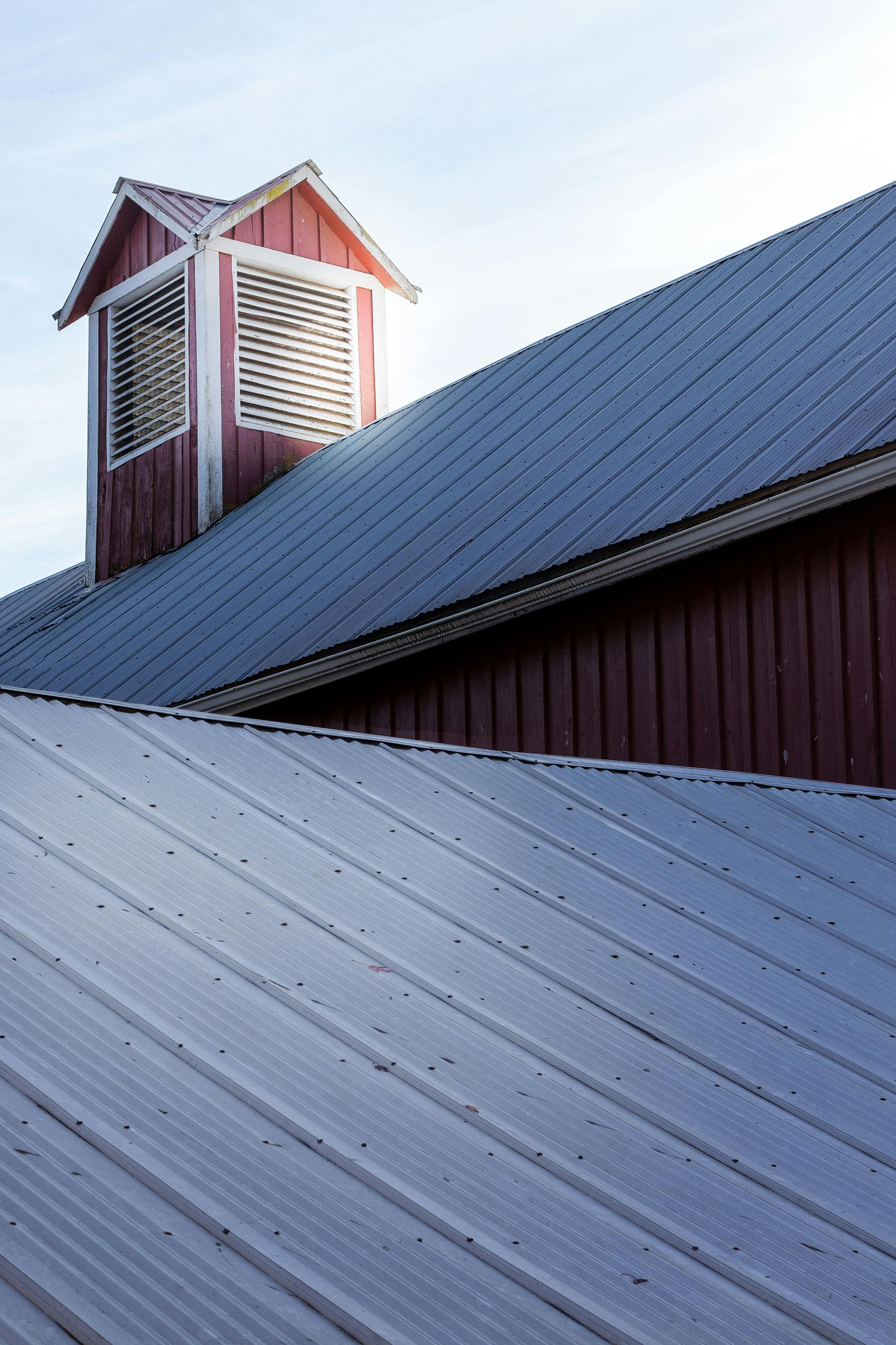
Metal siding isn’t common on every street, but it’s gaining ground in modern designs and certain residential applications. Steel and aluminum hold up well against weather, insects, and moisture. Metal doesn’t rot. It doesn’t absorb water. And it requires very little maintenance.
That said, it changes the character of a home. For some designs, that’s a benefit. For others, it feels out of place. Noise during heavy rain and design compatibility are worth considering early. When it fits the architecture, metal siding can be a long-lasting and practical choice.
Installation Is the Quiet Variable
Here’s the part many homeowners don’t realize until it’s too late: siding material is only half the equation.
Moisture management, flashing, fastening, and ventilation all influence how siding performs. Even premium materials fail when water is allowed to go where it shouldn’t.
This is why working with a qualified siding contractor matters just as much as choosing the right product. Installation quality determines whether siding protects the home—or creates hidden problems behind it.
Climate Should Drive the Decision
Sun exposure, wind patterns, rainfall, and temperature swings all affect how siding ages. A material that performs well in one environment may struggle in another. This is where local experience becomes valuable. Choosing siding that aligns with climate conditions reduces maintenance, improves durability, and helps the exterior age more evenly.
Exterior renovation decisions shouldn’t be made in a vacuum.
Matching Siding to the Home, Not the Trend
It’s tempting to chase what looks good online or what’s popular right now. But siding is a long-term decision. What feels exciting today may feel dated sooner than expected. The best siding choices tend to be the ones that suit the home’s architecture, neighborhood, and use—not just current trends. Balance usually wins over extremes.
Making the Right Call
A good siding materials comparison doesn’t end with a single “best” option. It ends with clarity. When homeowners understand how materials behave, what maintenance looks like, and how installation affects performance, decisions get easier. There’s less second-guessing and fewer surprises.
If you’re planning an exterior renovation and want help evaluating home siding options with real-world context, Power Construction can walk through the details and help identify what makes sense for your home and your goals.
Contact us today to discuss siding solutions that hold up—not just on day one, but for years to come.