Winter Home Preparation: Essential Steps to Protect Your Home Before Temperatures Drop
Winter brings more than just crisp air and holiday gatherings—it also brings freezing temperatures, harsh winds, moisture, and unexpected storms that can take a serious toll on your home. Preparing before the cold settles in is one of the smartest investments homeowners can make. Effective winter home preparation not only protects your home from seasonal damage but also improves energy efficiency, reduces utility costs, and helps prevent expensive emergencies.
At Power Construction, we help homeowners stay ahead of the weather with a combination of expert guidance, structural improvements, and proactive maintenance services. Whether you’re preparing for your first cold season in a new home or looking to strengthen an older one, these essential steps will help keep your home safe, warm, and protected all winter long.
Start With a Thorough Exterior Inspection
Before winter weather arrives, it’s important to assess the condition of your home’s outer defenses. A comprehensive exterior inspection ensures that your property is ready for the challenges of freezing temperatures, heavy snow, and strong winds.
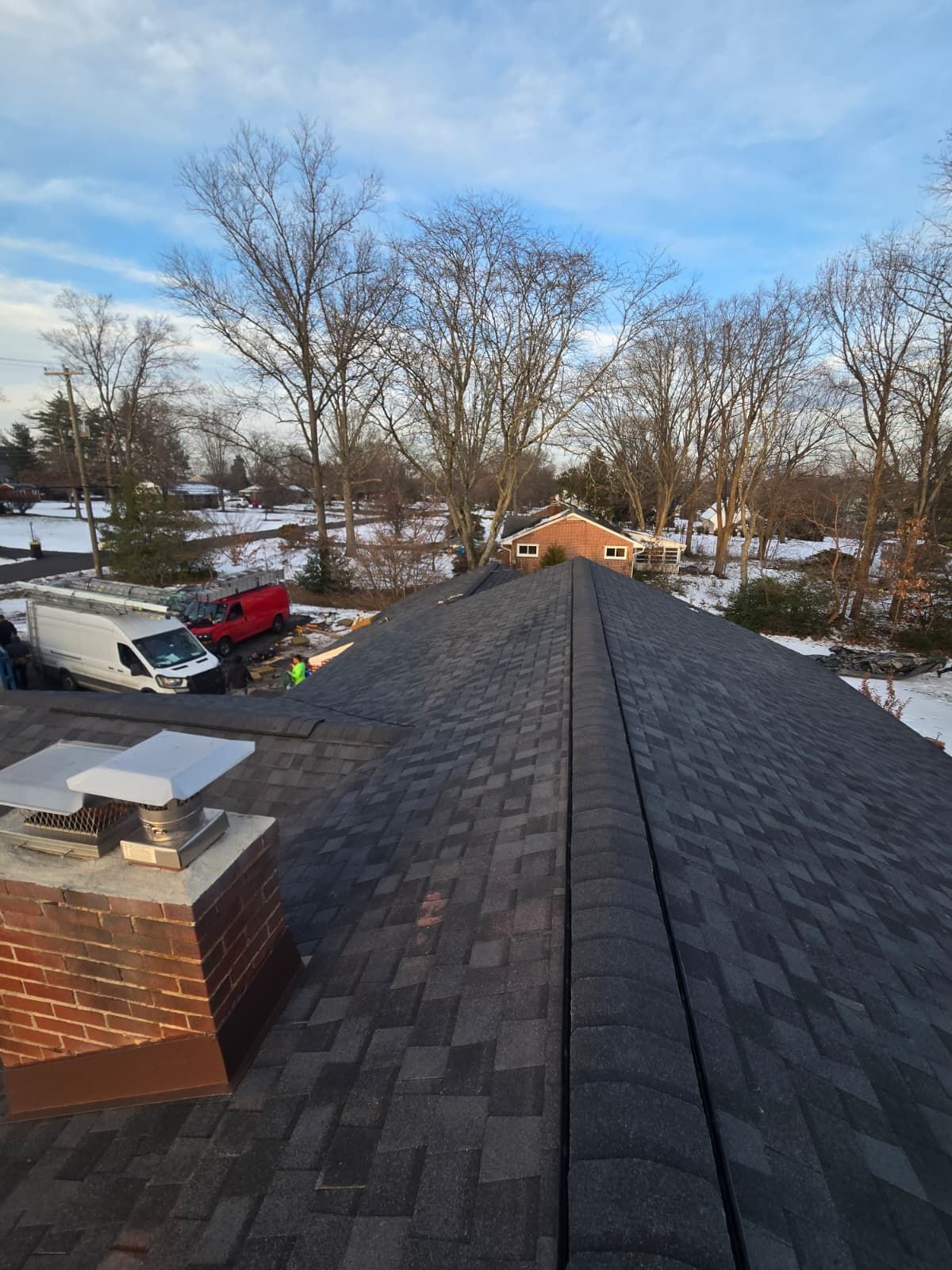
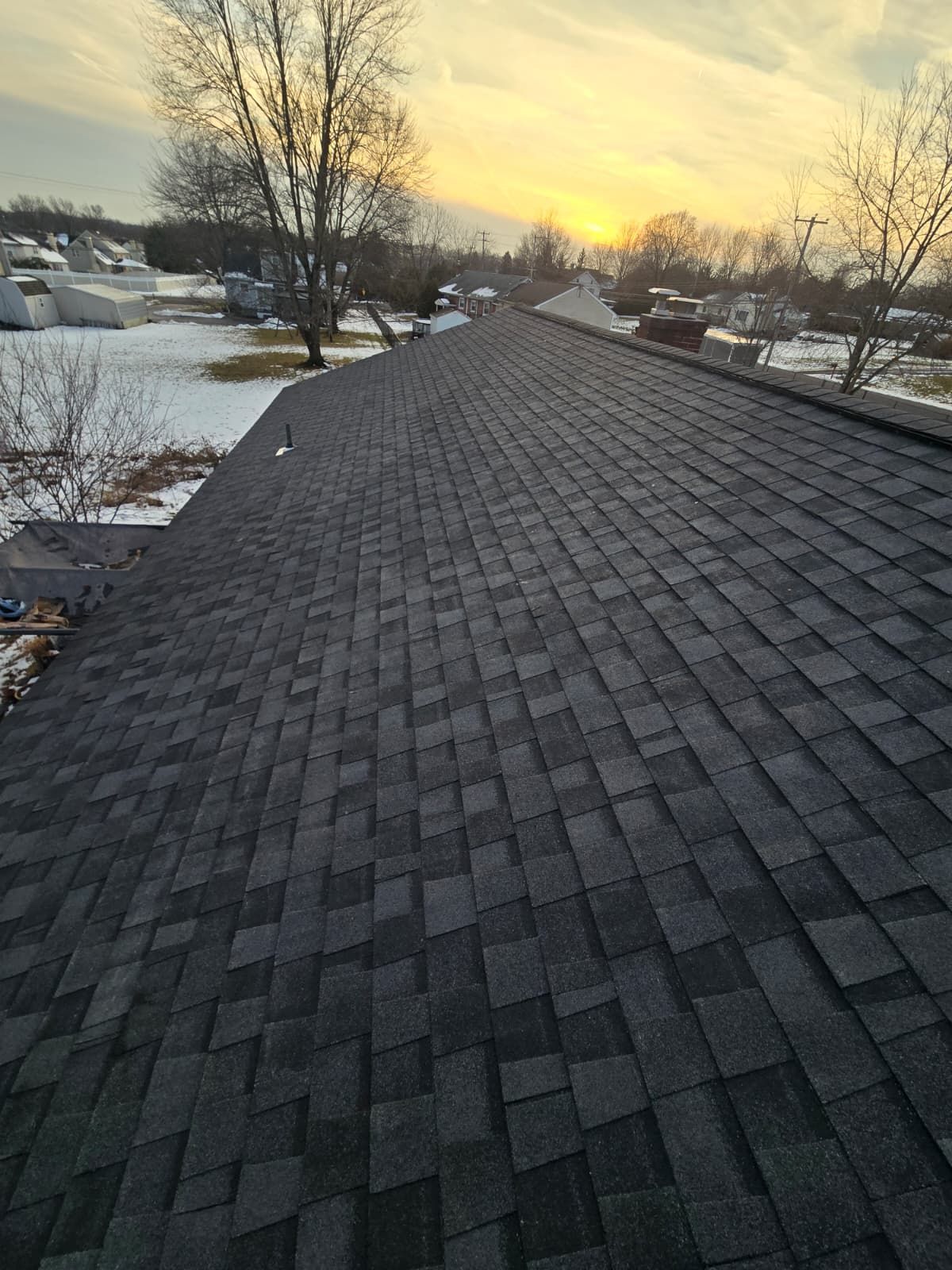
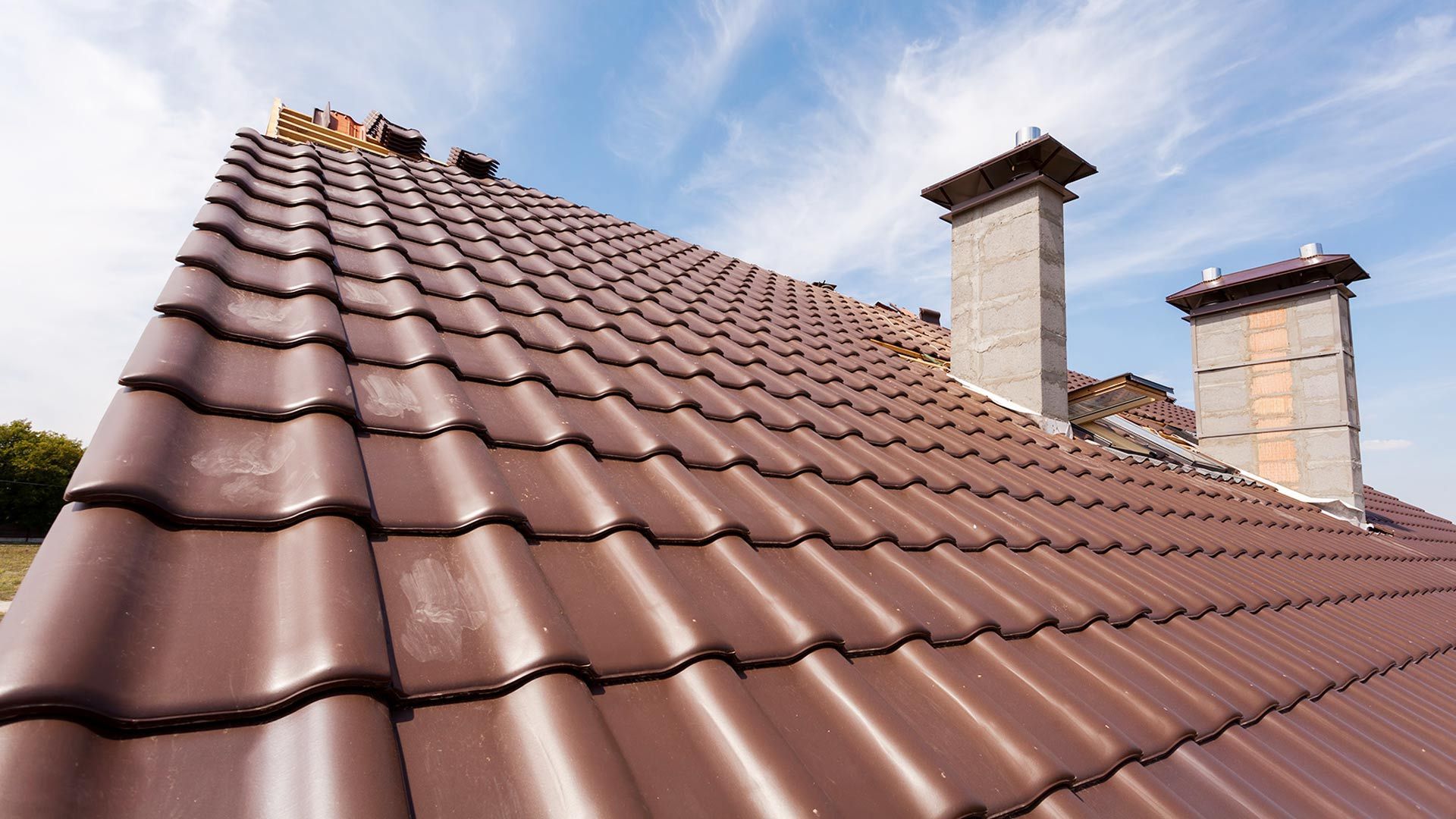
1. Check the Roof for Signs of Wear
Your roof is your home’s first line of defense. Look for:
- Loose or missing shingles
- Granule loss
- Soft spots
- Cracked flashing around chimneys or vents
- Damaged gutters or downspouts
Damage that seems minor now can quickly escalate once snow or ice accumulates. Addressing roofing issues early is essential for winter weather protection and preventing leaks.
2. Inspect Siding and Exterior Walls
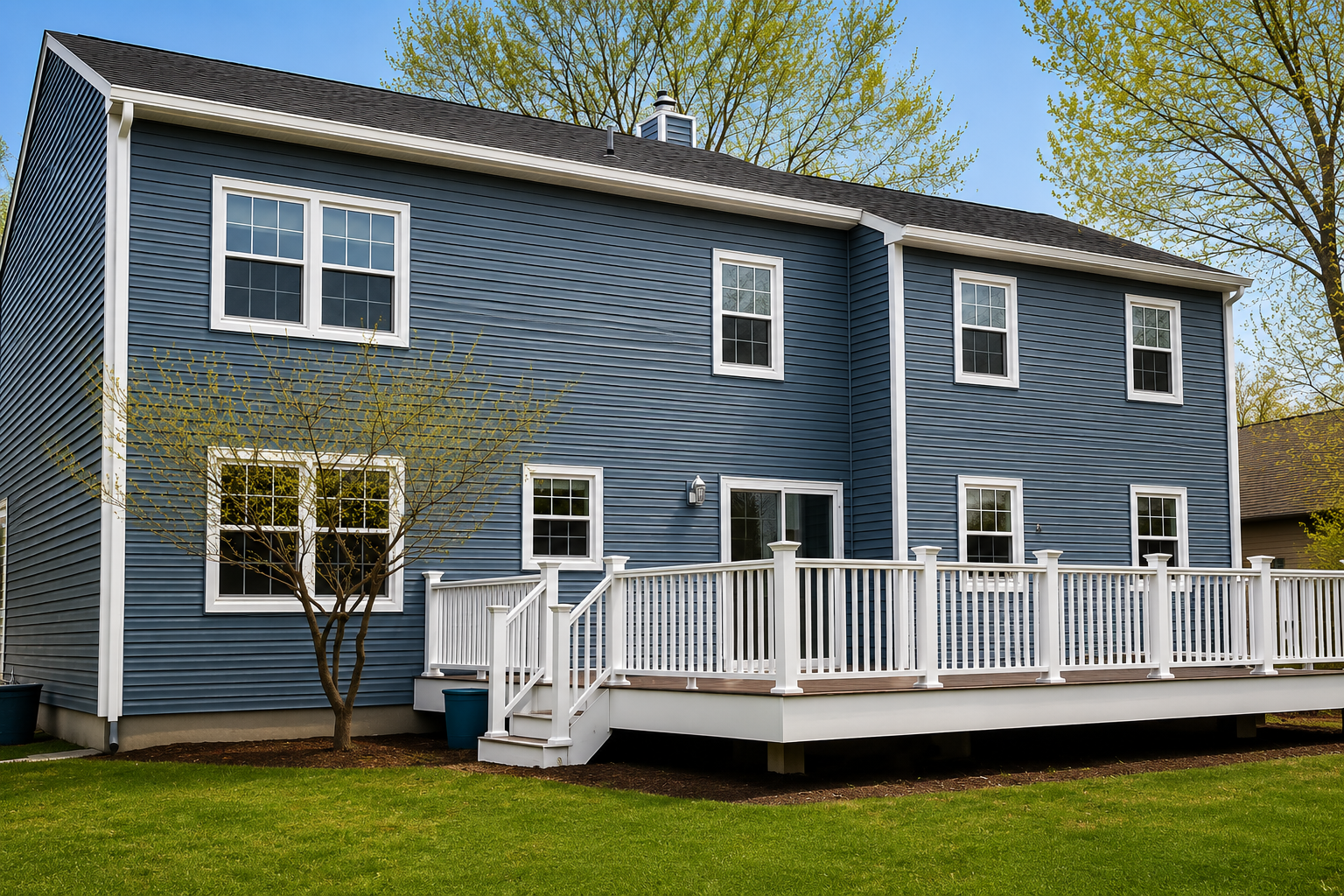
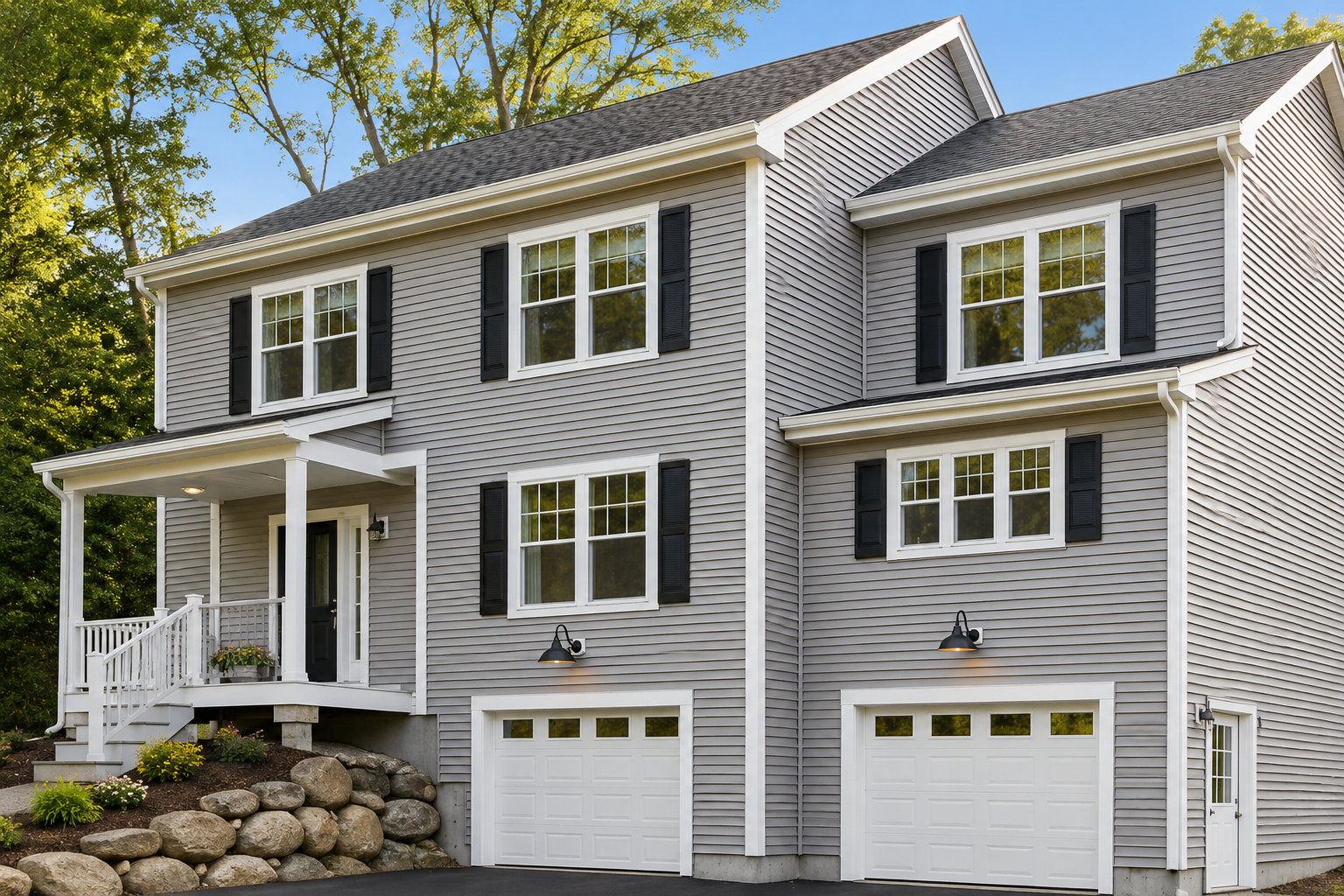
Look for cracks, warping, moisture damage, or missing caulking. Poor siding conditions can allow moisture infiltration, reduce insulation effectiveness, and lead to costly repairs during colder months.
3. Examine Windows and Doors
Drafts are a major cause of heat loss. Check for:
- Gaps around frames
- Worn weatherstripping
- Cracked sealant
- Condensation between window panes (a sign of seal failure)
Fixing drafts improves comfort and reduces heating bills.
4. Assess Decks, Porches, and Railings
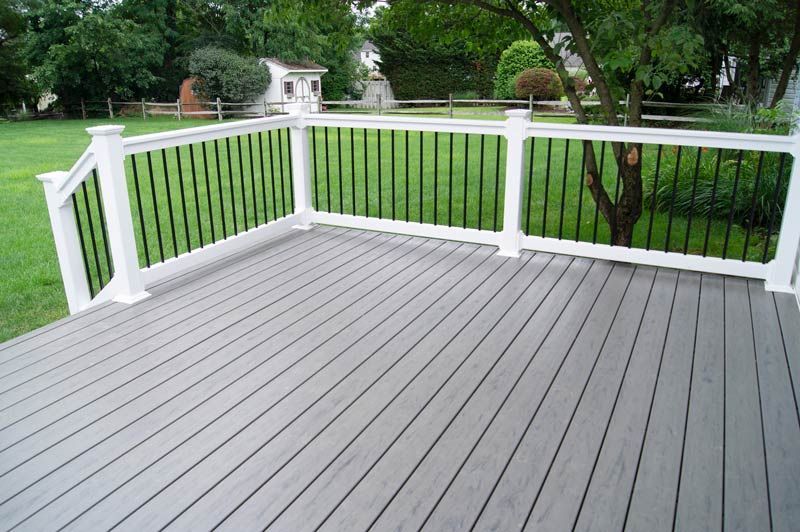
Freezing temperatures can intensify existing structural weaknesses in outdoor features. Tighten or reinforce any loose areas before winter storms.
A full exterior inspection ensures your home is structurally sound and ready for the cold ahead.
Strengthen Your Weather Protection Before Winter Arrives
Once the exterior inspection is complete, it’s time to focus on weather protection measures that keep cold air out and warm air in.
1. Seal Gaps in Siding, Foundation, and Trim
Even small gaps can let in freezing air and moisture. Caulking or repairing these openings is a quick, affordable way to boost energy efficiency.
2. Upgrade Insulation Where Needed
Key areas to inspect include:
- Attic insulation
- Exterior walls
- Basement or crawlspace insulation
- Garage walls (especially if they connect to the house)
Proper insulation is one of the most effective cold-weather maintenance strategies.
3. Install or Replace Weatherstripping
New weatherstripping around doors and windows can significantly reduce drafts and heat loss. Consider upgrading to insulated exterior doors if your current ones are inefficient.
4. Add Storm Windows or Door Inserts
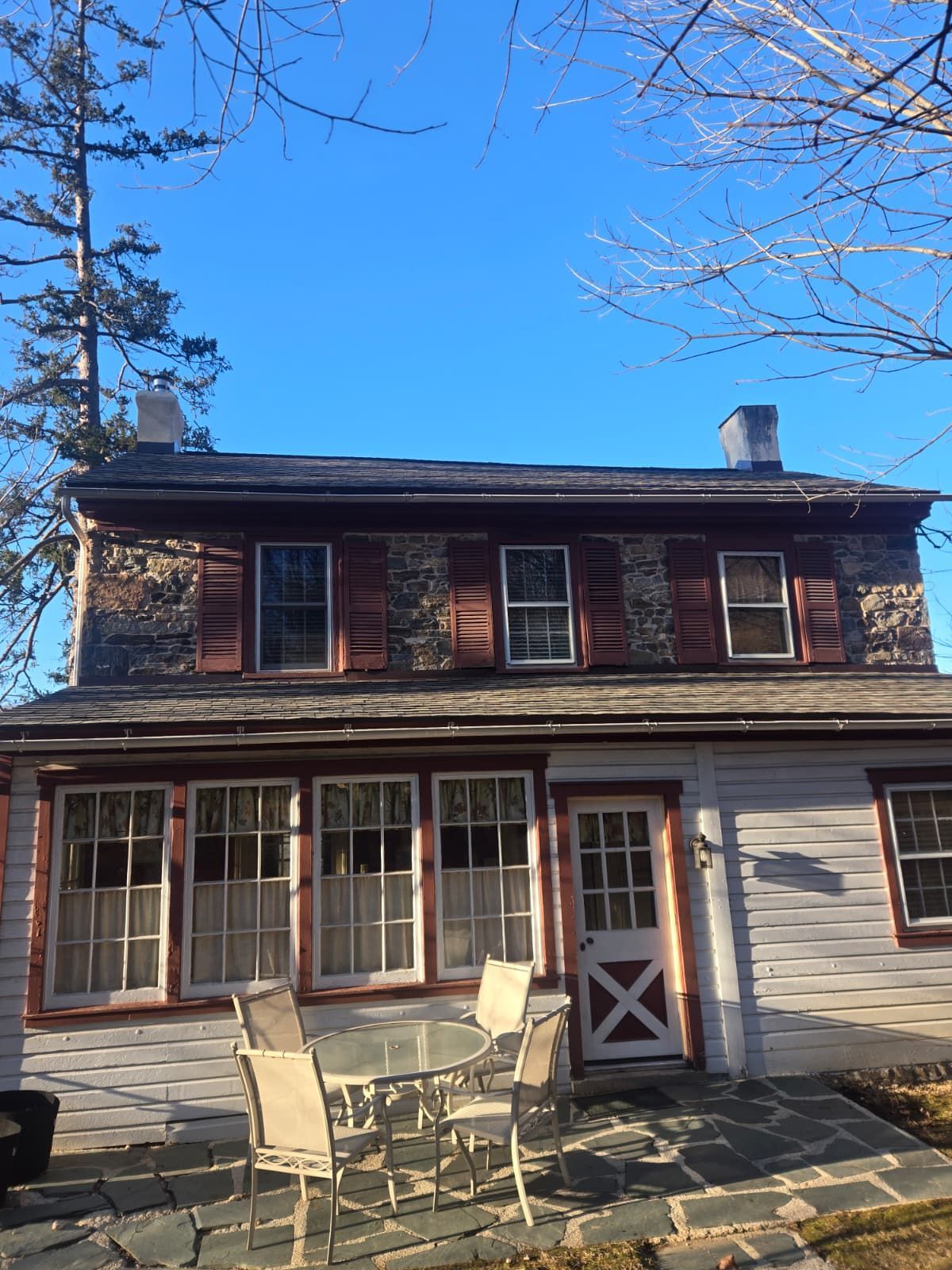
In older homes, storm windows and doors provide an extra buffer against harsh winter elements.
5. Check Chimneys and Fireplaces
If you’ll be using a wood-burning fireplace, schedule a professional cleaning and ensure the chimney cap is in good condition to prevent pests and debris from entering.
Strengthening your home’s weather protection now helps avoid winter surprises and increases comfort throughout the season.
Clean and Prepare Your Gutters
Neglected gutters are one of the biggest causes of winter water damage. Before cold weather arrives:
- Clear out leaves and debris
- Ensure downspouts drain well away from the home
- Repair broken sections
- Consider adding gutter guards if trees are abundant
Ice dams form when melting snow refreezes due to clogged gutters. Preventing this buildup protects both your roof and interior from water damage.
Prepare Your Landscaping and Outdoor Systems
When preparing your home for winter, don’t forget about your property’s exterior features.
- Winterize Sprinkler Systems: Drain irrigation lines and shut off the water supply to prevent freezing and burst pipes.
- Trim Back Overhanging Tree Branches: Snow and ice accumulation can cause branches to fall, posing risks to your roof, siding, and vehicles.
- Cover or Store Outdoor Furniture: Protect materials from moisture and freezing temperatures to extend their lifespan.
- Protect Exterior Plumbing: Drain exterior faucets and cover them to prevent cold-weather damage.
Thoughtful preparation of outdoor systems ensures your property stays safe all season long.
Inspect and Tune Up Heating Systems
Your heating system works hardest in winter, so it needs to be in optimal condition before cold weather arrives.
1. Schedule a Furnace or Boiler Inspection
A professional tune-up helps:
- Improve efficiency
- Reduce energy costs
- Prolong the equipment lifespan
- Prevent mid-winter breakdowns
2. Replace Air Filters
Dirty filters reduce airflow, forcing your HVAC system to work harder.
3. Inspect Ductwork
Check for leaks, gaps, or disconnected sections that can waste heated air.
4. Consider a Programmable or Smart Thermostat
This improves comfort and reduces energy costs by automatically adjusting settings.
Heating system preparation is one of the most important steps of winter home preparation, ensuring your home stays warm without unnecessary expenses.
Protect Your Plumbing
Frozen pipes are one of the most common causes of winter home emergencies. Incorporate these steps into your cold-weather maintenance plan:
- Insulate Exposed Pipes: Basements, crawlspaces, attics, and garages often have pipes that are vulnerable to freezing.
- Keep Cabinet Doors Open During Cold Spells: This allows warm air to circulate around kitchen and bathroom plumbing.
- Know How to Shut Off Your Water: If a pipe bursts, turning off the water immediately can prevent extensive damage.
- Maintain a Consistent Indoor Temperature: Avoid turning the thermostat too low at night or when away from home.
Taking these precautions dramatically reduces the risk of frozen pipes and water-related damage.
Prepare for Winter Storms
Even with excellent preparation, winter storms can bring unpredictable conditions. It's essential to have emergency supplies ready, including:
- Flashlights and batteries
- Portable chargers
- A generator (if possible)
- Snow shovels and ice melt
- Bottled water and shelf-stable food
- Blankets and warm layers
Storm preparedness is a key part of winter home protection, helping your family stay safe and comfortable during unexpected outages or severe weather.
Improve Indoor Air Quality
As homes seal up for winter, good airflow and filtration become even more important.
Tips for Maintaining Healthy Indoor Air:
- Use humidifiers to prevent dryness
- Change HVAC filters regularly
- Ensure proper ventilation when cooking
- Keep dust and allergens under control
Clean, conditioned air makes your home more comfortable year-round.
Trust Power Construction for Comprehensive Winter Preparation
Winter can be tough on your home—but it doesn’t have to be. With proper winter home preparation, a thorough exterior inspection, and strategic cold-weather maintenance, you can protect your home from seasonal damage, lower your energy bills, and stay comfortable all winter long.
At Power Construction, we help homeowners fortify their homes with stronger exteriors, upgraded insulation, roofing improvements, energy-efficient doors and windows, and weather protection enhancements. Whether you need repairs, upgrades, or a complete winter-readiness assessment, our team is here to help.
Prepare your home before temperatures drop. Contact Power Construction today to schedule your winter preparation inspection and winterize your home the right way.